
Internship – Project & Research Support – Inclusive Conservation
We are looking for an English speaking master student!
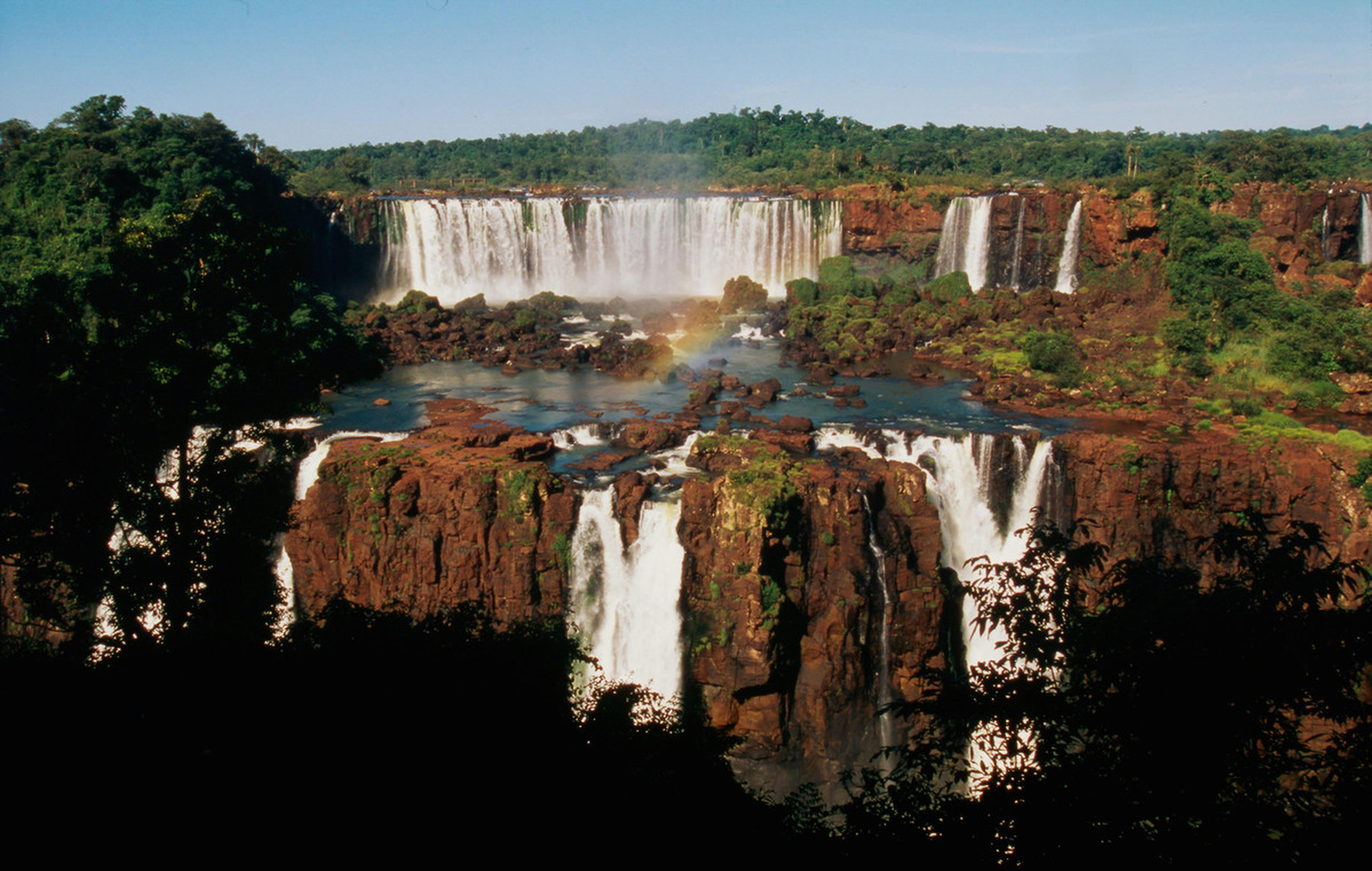 © Michel Gunther / WWF
About the team
The Inclusive Conservation Lead sits within WWF Netherlands’ Biomes & Biodiversity team. We work on rights-based and locally led approaches to conservation and climate action: making sure that Indigenous Peoples, local communities, women and youth have a real voice and a leading role in protecting the landscapes they live in and depend on. Our work connects field programmes in Latin America, Africa and Asia-Pacific with national and international policy processes.
The internship
WWF is implementing an international project, supported by GIZ, that strengthens the leadership, visibility and influence of women, youth and Indigenous Peoples in climate mitigation within agriculture and food systems. The project works with civil society organisations and grassroots movements in Bolivia, Brazil, Paraguay and Kenya. It builds on WWF’s Voices for Just Climate Action programme and our experience supporting locally led climate action, and aims to strengthen networks, facilitate learning exchanges, amplify frontline voices and support their engagement in national and global climate and food systems policy processes.
We are looking for an intern who can hit the ground running from February 2027, taking over from our current intern and continuing the support to this project.
Alongside the project, you will be the team’s go-to support for research and writing on whatever comes up: a quick background brief, a section of a funding proposal, a text for an event, or a review of a report. The work is varied and often fast-paced, so we are looking for someone who writes very well, works quickly and stays calm and accurate when deadlines are tight.
What will you be doing?
1. Supporting the GIZ project (main focus)
Support the Project Lead with day-to-day coordination across countries and partners: scheduling meetings, preparing invitations and reminders, and keeping track of activities and deadlines.
Keep project documents, contact lists and shared folders organised and up to date.
Help organise online and in-person meetings, workshops and learning exchanges, including agendas, presentations, briefing materials and practical logistics (travel, itineraries, partner visits).
Take notes during meetings and turn them into clear summaries with action points.
Draft newsletters, short updates and other communication materials, and help collect stories, photos and examples from project partners.
Contribute to project reporting and to sharing results through WWF and partner channels.
2. Research and writing support for the Inclusive Conservation Advisor (B&B team)
Carry out quick background research on topics such as rights-based conservation, Indigenous Peoples’ and community rights, climate justice, food systems and biodiversity policy, and summarise the findings in short, clear briefs.
Support the writing of funding proposals and concept notes: researching context, drafting sections, compiling evidence and checking consistency.
Write texts for events, webinars and public communications, such as speaking notes, event descriptions, web texts and social media copy.
Review and edit reports and other documents for clarity, structure, accuracy and language.
Take on other research- and communications-related tasks as they come up.
You will also take part in team meetings and learning opportunities within WWF, giving you insight into international project management, climate and biodiversity policy, and how a global conservation organisation works.
Who are we looking for?
You are a motivated student with a strong interest in nature conservation, climate action, social inclusion and locally led approaches. You enjoy writing, you pick things up quickly, and you like having a mix of tasks on your plate.
Requirements
Currently enrolled in a Master’s programme in International Development, Environmental Sciences, Sustainability, Political Science, International Relations, Communications, Anthropology, Food Systems, or a related field.
Excellent writing skills in English. You can turn complex information into clear, well-structured and engaging text for different audiences, from a policy brief to a newsletter item.
Able to work fast and under pressure. You can deliver good-quality work at short notice, juggle several tasks at once and set priorities without losing attention to detail.
Strong research skills: you can quickly find, assess and summarise relevant information.
Well organised and reliable, with an eye for detail.
Fluency in English (plus in Portuguese and/or Spanish is a plus).
Proactive and independent: you take initiative, ask questions when needed and follow tasks through.
Comfortable working in an international, multicultural environment.
Good command of Microsoft Office (Outlook, Teams, Word, Excel and PowerPoint).
Nice to have
Affinity with Indigenous Peoples’ rights, gender equality, youth engagement, climate justice and/or food systems.
Experience with proposal writing, editing, communications or journalism.
What do we offer?
An internship from 15 February to 30 June 2027, 4-5 days per week, with at least 1 or 2 days a week at the WWF Netherlands office.
A monthly allowance of €550, based on full-time work (40 hours per week).
Hands-on experience in an international conservation organisation, working on projects with partners in Latin America and Africa.
Close guidance from the Inclusive Conservation Lead and a varied set of tasks with real responsibility.
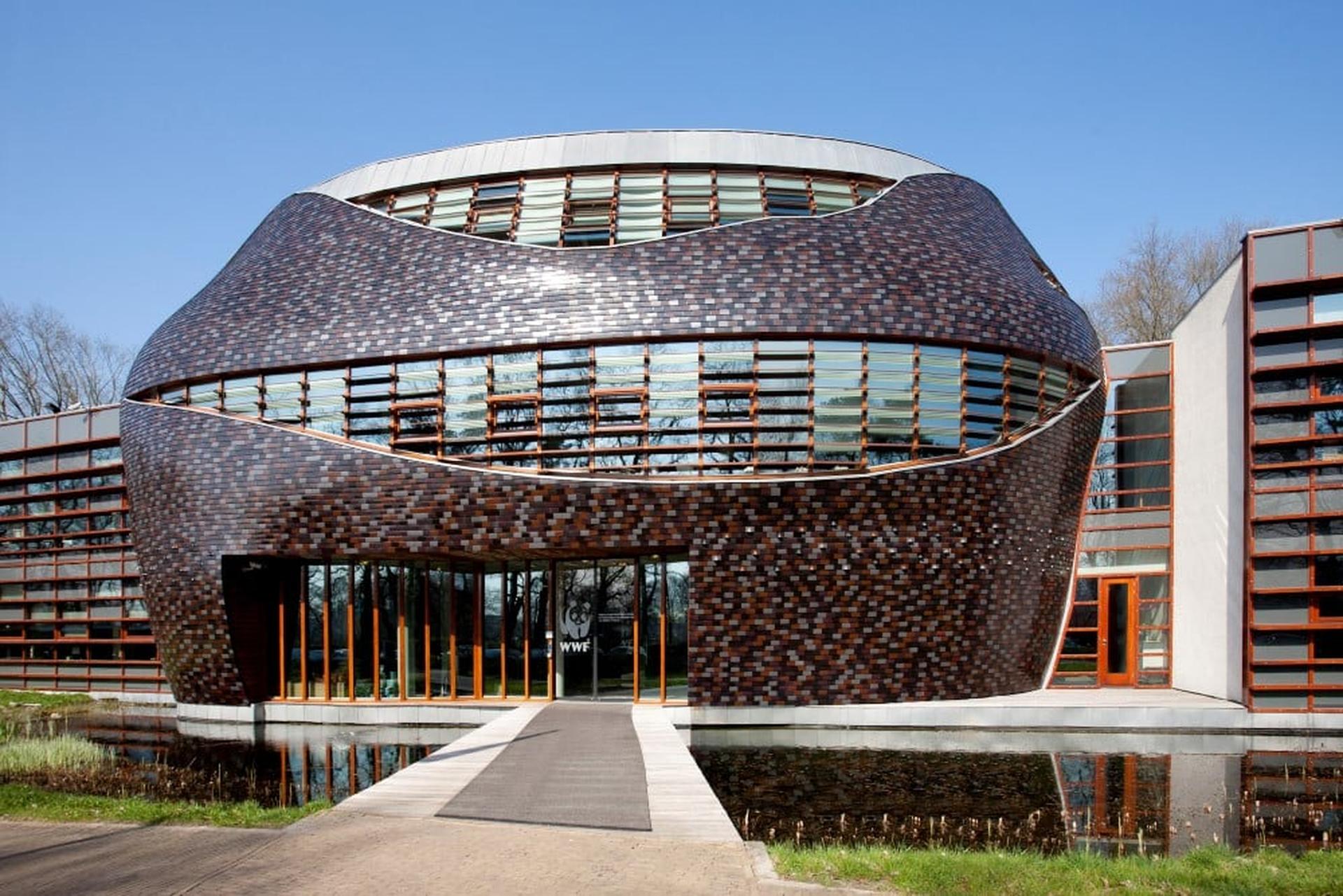
An office surrounded by nature in Zeist.
Interested?
Please send your CV and a motivation letter (max. 1 page) in English before 15 December 2026 to Diana Francês (dfrances@wwf.nl) and Natascha Zwaal (nzwaal@wwf.nl).
Interviews will take place in January 2027. Shortlisted candidates may be asked to complete a short writing exercise.
About WWF
WWF is an international organization for the protection of nature with the mission to stop the degradation of the planet’s natural environment and to build a future in which humans live in harmony with nature. The organization has independent offices in around 100 countries, forming a global network. There is a common worldwide strategy that focuses on conserving biodiversity and reducing the global footprint to a level that stays within the limits of the Earth.
WWF looks for solutions in cooperation with governments, companies, and civil society to realize protection of species and their habitats and a sustainable use of environmental resources.