
Internship: The role of geospatial data for WWF-NL
Internship: The role of geospatial data for WWF-NL
We are looking for an English speaking master student!

WWF is an international organization for the protection of nature with the mission to stop the degradation of the planet’s natural environment and to build a future in which humans live in harmony with nature. The organization has independent offices in around 100 countries, forming a global network. There is a common worldwide strategy that focuses on conserving biodiversity and reducing the global footprint to a level that stays within the limits of the Earth.
WWF looks for solutions in cooperation with governments, companies, and civil society to realize protection of species and their habitats and a sustainable use of environmental resources.
Geospatial data can help WWF-NL understand where conservation challenges occur, where interventions are implemented and where impact is achieved. Beyond analysis, spatial data can strengthen communication and storytelling, fundraising, programme design and strategic decision-making. WWF-NL aims to explore better integration of geospatial information into its way of working.
This internship forms part of that exploration by assessing organisational needs and exploring the accessibility and usefulness of spatial data, demonstrating applications of spatial data across WWF-NL, while also providing practical support for selected spatial-data requests.
What will you be doing?
As a Spatial Data Intern, you will assess the needs of WWF-NL teams, identify barriers to using spatial data and develop practical examples that demonstrate its value. You will work closely with a small core team on the explorative phase and connect with colleagues from Conservation, Communication and other relevant teams.
Needs assessment: Interview colleagues to understand where spatial data could support their work.
Barriers: Identify what hinders the use of geospatial data for example limited skills, awareness, time, tools, data access or support.
Current resources: Map relevant spatial data, tools and expertise available within WWF-NL and the wider WWF network and connect with experts from across the globe.
Report findings.
Practical examples: Develop 2–3 simple use cases, maps or analyses that show how spatial data could add value.
Ad-hoc support: Assist colleagues with selected spatial-data requests where feasible within the internship, and provide practical recommendations for improving spatial-data use.
Who are we looking for?
WWF is looking for a Master’s student who is interested in applying spatial data to conservation, communication and organisational questions. You are curious about colleagues’ needs, able to work independently and comfortable translating technical information into practical outputs.
Requirements:
Currently enrolled in a Master’s programme in GIS, geoinformatics, geography, environmental sciences, conservation science, data science or a related field.
Basic experience with GIS and spatial analysis, preferably using QGIS and/or ArcGIS.
Interest in nature conservation and the practical use of data for decision-making and communication.
Good analytical and communication skills, including the ability to conduct interviews and summarise findings.
Good written and spoken English; Dutch is a plus.
Proactive, organised and able to work independently.
Available for a 4–6 month internship and living in the Netherlands during the internship.
What do we offer?
Proposed starting date: beginning 2027.
An internship of 5-6 months, 4-5 days per week, with minimum one day per week in the Dutch WWF office.
€550 allowance per month, based on fulltime work.
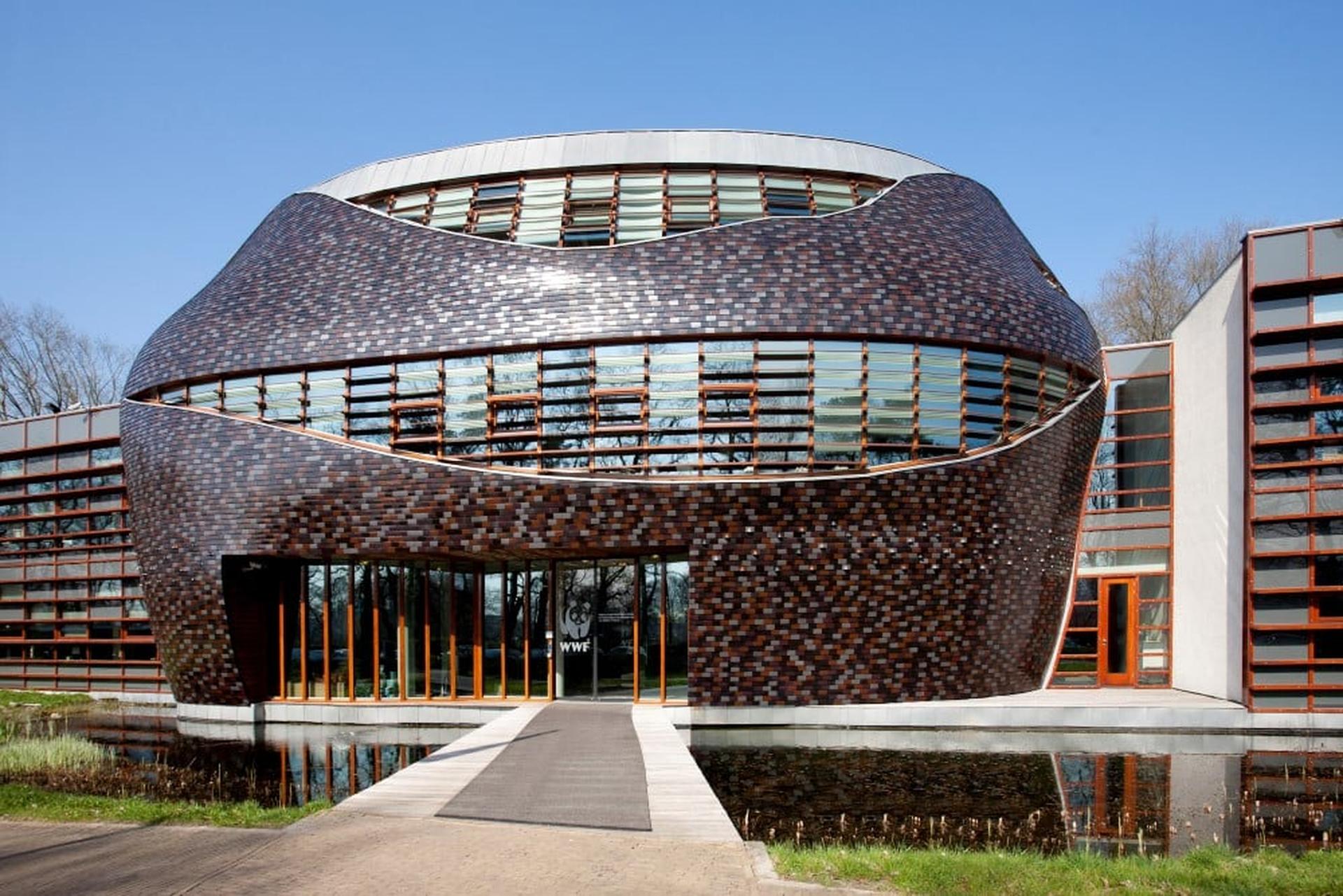
An office surrounded by nature in Zeist.
Interested?
Please send your CV and motivation letter before 22nd November 2026 to:
Anouk van Stokkom - astokkom@wwf.nl and Natascha Zwaal – nzwaal@wwf.nl
About WWF
WWF is an international organization for the protection of nature with the mission to stop the degradation of the planet’s natural environment and to build a future in which humans live in harmony with nature. The organization has independent offices in around 100 countries, forming a global network. There is a common worldwide strategy that focuses on conserving biodiversity and reducing the global footprint to a level that stays within the limits of the Earth.
WWF looks for solutions in cooperation with governments, companies, and civil society to realize protection of species and their habitats and a sustainable use of environmental resources.